Multivitamins During Monsoon: Do You Need Extra Immunity Support?
Monsoon season in India reliably brings a familiar pattern — more colds, more stomach upsets, and a general sense that everyone around you is sick. It's a reasonable time to ask whether your nutrition routine needs adjusting, or whether that's more marketing than genuine need.
Why Monsoon Tends to Bring More Illness
Several factors combine during monsoon — increased humidity supports the spread of certain viruses and bacteria, water contamination risk rises, and people generally spend more time indoors in close contact with others. It's less about the rain itself and more about the conditions it creates.
Do You Actually Need “Extra” Immunity Support?
Not in the sense of dramatically different supplementation — your body's fundamental nutrient needs don't change because of the season. What matters more is maintaining consistency in the basics (sleep, hydration, nutrition) during a period when illness exposure is genuinely higher, rather than reaching for something new and different.
Practical Monsoon Health Habits
• Prioritise boiled or filtered water — water contamination risk increases during monsoon
• Be cautious with street food and raw vegetables during peak monsoon months
• Keep vitamin C-rich foods in regular rotation — citrus fruits are usually easy to find year-round
• Don't skip your regular exercise routine just because of rain — find indoor alternatives to maintain consistency
• Maintain consistent sleep — cosy, dark, rainy weather can actually disrupt normal sleep timing for some people
What Doesn't Actually Help
Mega-dosing vitamin C or other single nutrients well beyond normal levels isn't proven to provide meaningfully more protection than adequate, consistent intake. As covered in our article on immunity-boosting supplements, consistency matters more than intensity.
Monsoon and Digestive Health
Digestive upsets are just as common as colds during monsoon, largely tied to water and food safety. Being extra mindful about hydration source, thoroughly washing produce, and avoiding visibly unhygienic food stalls does more for monsoon health than any supplement could. This is one season where basic food safety habits genuinely outweigh nutritional interventions.
If you do experience an upset stomach despite precautions, staying hydrated and easing back into regular eating gradually tends to help more than reaching for anything dramatic — persistent or severe symptoms are, as always, a reason to see a doctor rather than wait it out.
When to See a Doctor
If you develop a persistent fever, severe symptoms, or an illness that doesn't improve within a reasonable timeframe, that warrants medical attention rather than relying on general immune support. Monsoon-related illnesses can occasionally be more than a common cold, so don't dismiss symptoms that feel unusually severe or prolonged.
Where Multivitamins Fit In
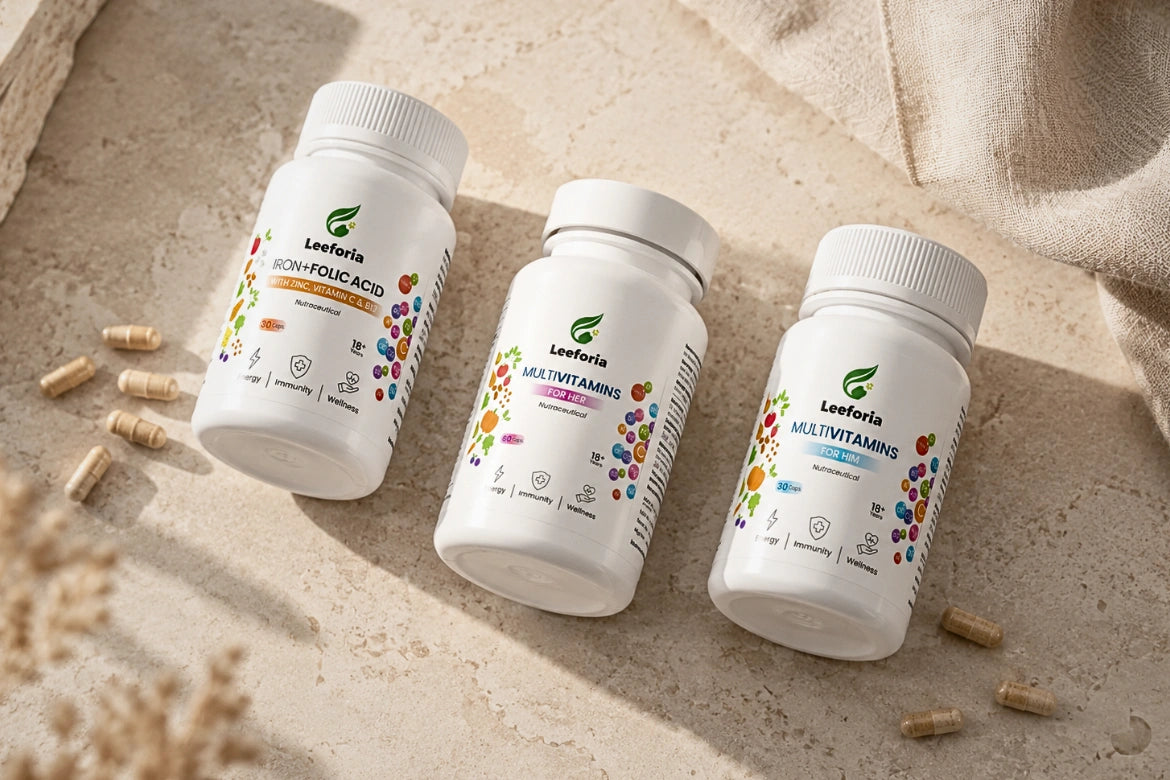
A consistent daily multivitamin, like Leeforia's Multivitamin For Her or Multivitamin For Him, is useful as a year-round nutritional baseline — monsoon doesn't require a different approach, just consistent attention to the fundamentals during a season when they matter a bit more.
Related reading: Immunity-Boosting Supplements for Indian Lifestyles · Signs of Vitamin Deficiency You Shouldn't Ignore
Frequently Asked Questions
Q: Do I need a different multivitamin during monsoon?
A: No — your nutritional needs don't fundamentally change by season. Consistency in your regular routine matters more than switching products.
Q: Why do more people get sick during monsoon?
A: Increased humidity supports the spread of certain viruses and bacteria, water contamination risk rises, and people spend more time indoors in close contact — a combination of factors, not any single cause.
Q: Is street food really riskier during monsoon?
A: Generally yes, due to increased water contamination risk and food handling challenges during heavy rain, making extra caution reasonable during this season.
Q: Does mega-dosing vitamin C prevent monsoon illnesses?
A: There's limited evidence for this. Consistent, adequate intake as part of a regular routine is a more evidence-based approach than reactive high-dose supplementation.
Q: When should monsoon-related illness prompt a doctor visit?
A: If fever, symptoms are severe, or an illness doesn't improve within a reasonable timeframe, it's worth getting checked rather than assuming it will resolve on its own.