Immunity-Boosting Supplements for Indian Lifestyles
“Immunity boosting” has become one of the most overused phrases in wellness marketing — often attached to products that promise more than nutrition science can actually deliver. That doesn't mean nutrition has no role in immune health; it genuinely does. It just means the real story is less dramatic, and more about consistent daily habits than any single miracle ingredient.
Here's a grounded look at what actually supports immune function, and where supplements realistically fit in.
What Actually Supports Immune Function
Several nutrients play well-established roles in normal immune function — vitamin C, vitamin D, zinc, and adequate protein among them. The key word is “support”: these nutrients help your immune system function as it's designed to, rather than supercharging it beyond normal capacity.
Lifestyle Factors That Affect Immunity
• Sleep — consistently poor sleep is one of the most well-documented factors affecting immune function
• Chronic stress — prolonged high stress can affect how well your immune system responds over time
• Hydration — supports general bodily function, including the systems involved in immunity
• Regular movement — moderate, consistent physical activity is generally linked to better immune health than either extreme inactivity or overtraining
Common Immunity Nutrient Gaps in India
Vitamin D deficiency remains surprisingly common despite abundant sunlight, largely due to indoor lifestyles and limited sun exposure during peak hours. Zinc and vitamin C intake can also be inconsistent depending on dietary patterns, particularly with lower fresh fruit and vegetable intake during busy periods.
Gut Health and Immunity
A large portion of the body's immune activity is closely connected to gut health, which is part of why fermented and probiotic-rich foods get so much attention in immunity conversations. Curd, buttermilk, and other traditional fermented foods common in Indian diets can support this gut-immune connection as part of a regular diet, alongside adequate fibre from vegetables, fruits, and whole grains.
Foods That Support Immunity
• Citrus fruits — oranges, lemons — for vitamin C
• Nuts and seeds — for zinc and healthy fats
• Curd and fermented foods — support gut health, which plays a role in overall immune function
• Ginger and turmeric — traditional additions to Indian cooking with a long history of use alongside a balanced diet
Common Immunity Myths, Debunked
“Mega-dosing vitamin C stops colds instantly.” — Adequate vitamin C supports normal immune function, but taking far more than your body needs doesn't provide proportionally more benefit, and any excess is simply excreted.
“Supplements alone can replace a poor diet and lack of sleep.” — Supplements support gaps in an otherwise reasonable routine — they aren't a substitute for the fundamentals of sleep, diet, and stress management.
“More of a nutrient is always better for immunity.” — Beyond meeting your body's actual needs, taking excessive amounts of most nutrients doesn't translate to stronger immunity, and can create other issues.
Does Weather or Season Affect Immunity?
Seasonal changes — particularly monsoon and the shift into winter — often coincide with more frequent colds and infections, partly due to increased exposure to circulating viruses and partly due to behavioural changes like less sun exposure and more time indoors. This is a reasonable time to double-check that your basics (sleep, hydration, fruit and vegetable intake) are staying consistent, rather than reaching for anything dramatically different.
Building Consistent Immune-Supportive Habits
Rather than reaching for something only when you feel a cold coming on, the more effective approach is steady, everyday consistency — regular meals with fruits and vegetables, reasonable sleep, and a daily multivitamin if your diet has consistent gaps. Immunity responds better to sustained habits than to reactive, last-minute efforts.
Where Multivitamins Fit In
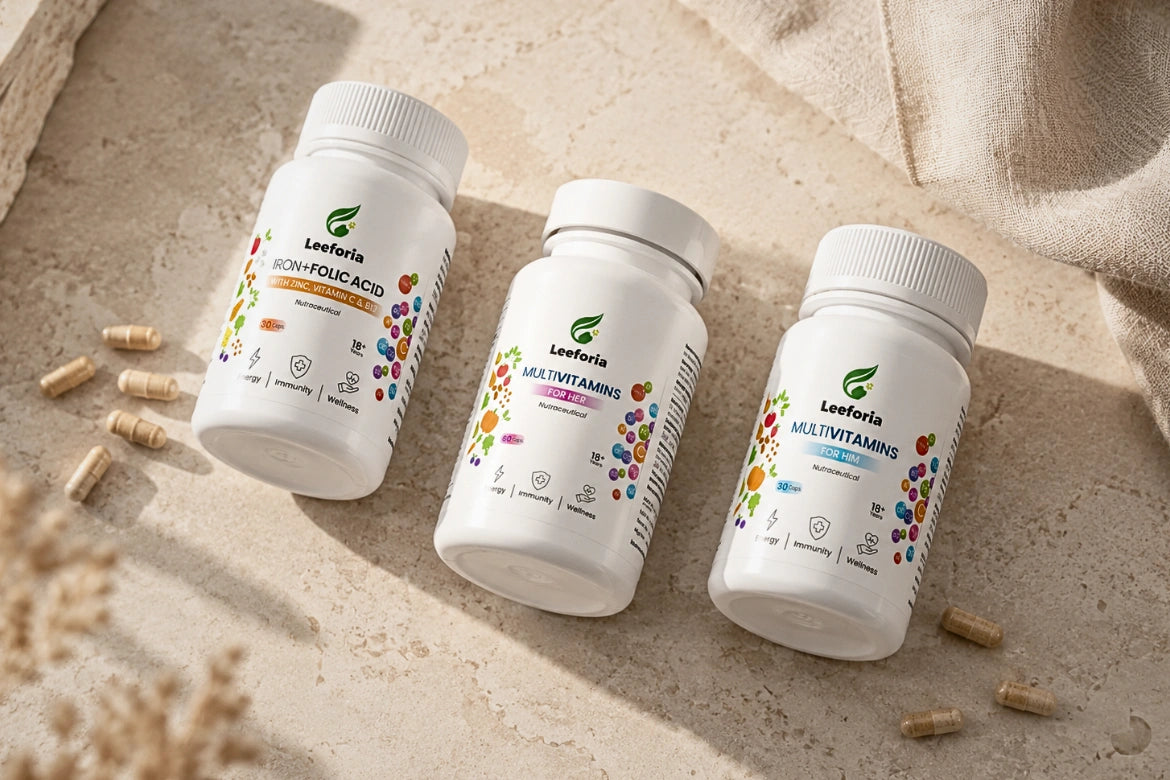
Leeforia's Multivitamin For Her and Multivitamin For Him are formulated to support daily energy and immunity as part of a consistent routine — not as a substitute for sleep, hydration, or a balanced diet, but as a steady baseline alongside them.
Related reading: Signs of Vitamin Deficiency You Shouldn't Ignore · Vegetarian Diet Nutrient Gaps: What's Missing?
Frequently Asked Questions
Q: Can supplements actually prevent colds?
A: Supplements support normal immune function but aren't proven to reliably prevent colds outright. Consistent nutrition, sleep, and hygiene practices matter more for reducing illness frequency.
Q: Is vitamin D really linked to immunity?
A: Yes, vitamin D plays a recognised role in immune function, and deficiency is common even in sunny climates like India due to limited outdoor sun exposure.
Q: Should I take extra vitamin C when I feel a cold coming on?
A: There's limited evidence that reactive mega-dosing changes much once symptoms start. Consistent adequate intake as part of your regular routine is a more evidence-based approach.
Q: Does stress really affect immunity?
A: Yes, chronic stress is a well-documented factor that can affect immune function over time, alongside sleep and nutrition.
Q: Are immunity supplements necessary for everyone?
A: Not necessarily — if your diet consistently covers key nutrients like vitamin C, D, and zinc, additional supplementation may not be needed. It's most useful for filling genuine, consistent gaps.